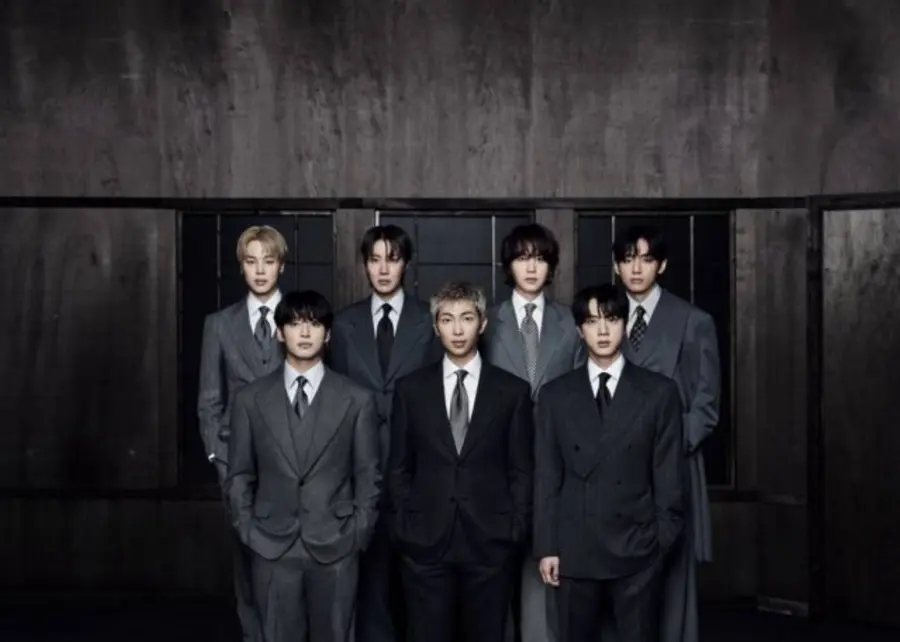
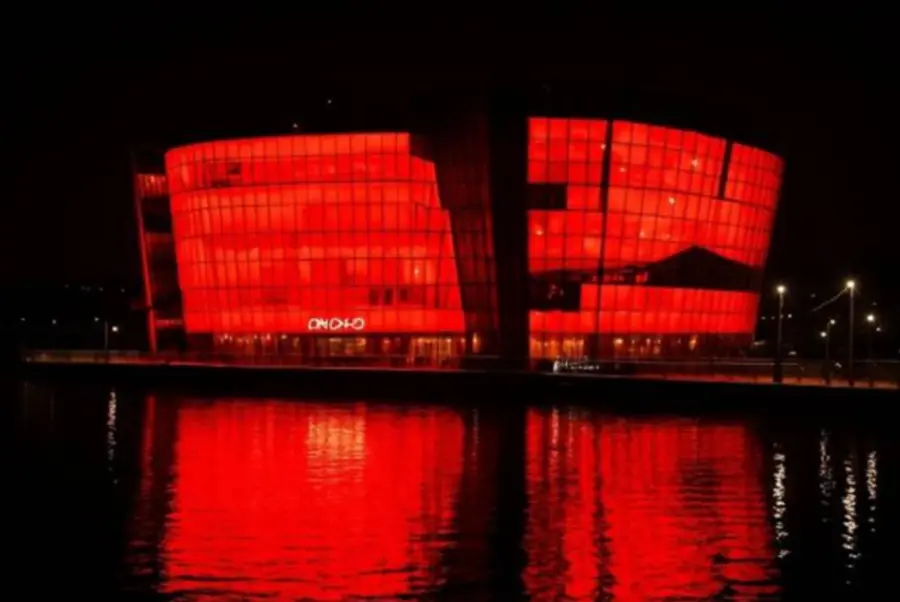
BTS's comeback has led the Seoul City to designate the theme color of major landmarks as red, prompting a strong backlash from the fandom ARMY.
Seoul City announced plans to light up major landmarks in the city, including N Seoul Tower and Lotte World Tower, in red in line with the concert celebrating BTS's new album release on the 21st at Gwanghwamun Square. This decision was made at the request of their agency HYBE, reflecting the main concept color of the new album "Arirang."
However, the fandom's response has been cold. Since the 15th, public opinion criticizing Seoul City and HYBE's decision has spread, particularly on social media. Fans expressed concern that "the color that symbolizes BTS and ARMY is purple, now and forever," regardless of album concepts, noting the risk of artists being used for political purposes.
In particular, there is a heightened sensitivity to the controversy as red can be misconstrued as a color representing a specific political party. Currently, protests accompanied by hashtags like '#BTSisPurple' and '#방탄은보라색' are ongoing online, with some foreign media also reporting significantly on the concerned backlash from Korean netizens.
As the controversy spread, both Seoul City and HYBE acted quickly to mitigate it. Seoul City emphasized that the decision on the lighting colors was made in cooperation with HYBE's planning intentions. HYBE also clarified, "The red color used for the Gwanghwamun Square performance is simply a reflection of the album's key color."
A HYBE representative urged, "Since this event is a pure pop culture event, please refrain from interpreting it excessively from a political perspective." Attention is now focused on whether BTS's large-scale comeback event will successfully occur despite the color controversy.
Below is the full statement from HYBE.
HYBE would like to inform you.
The red color for the Gwanghwamun Square performance is applied as the key color of the Arirang album.
Seoul City is also using red at HYBE's request.
We ask that you do not interpret pop culture events overly from a political perspective.