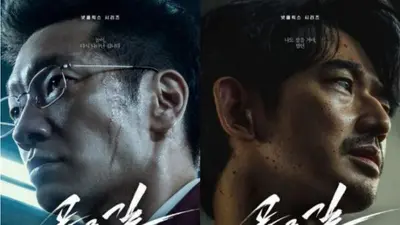
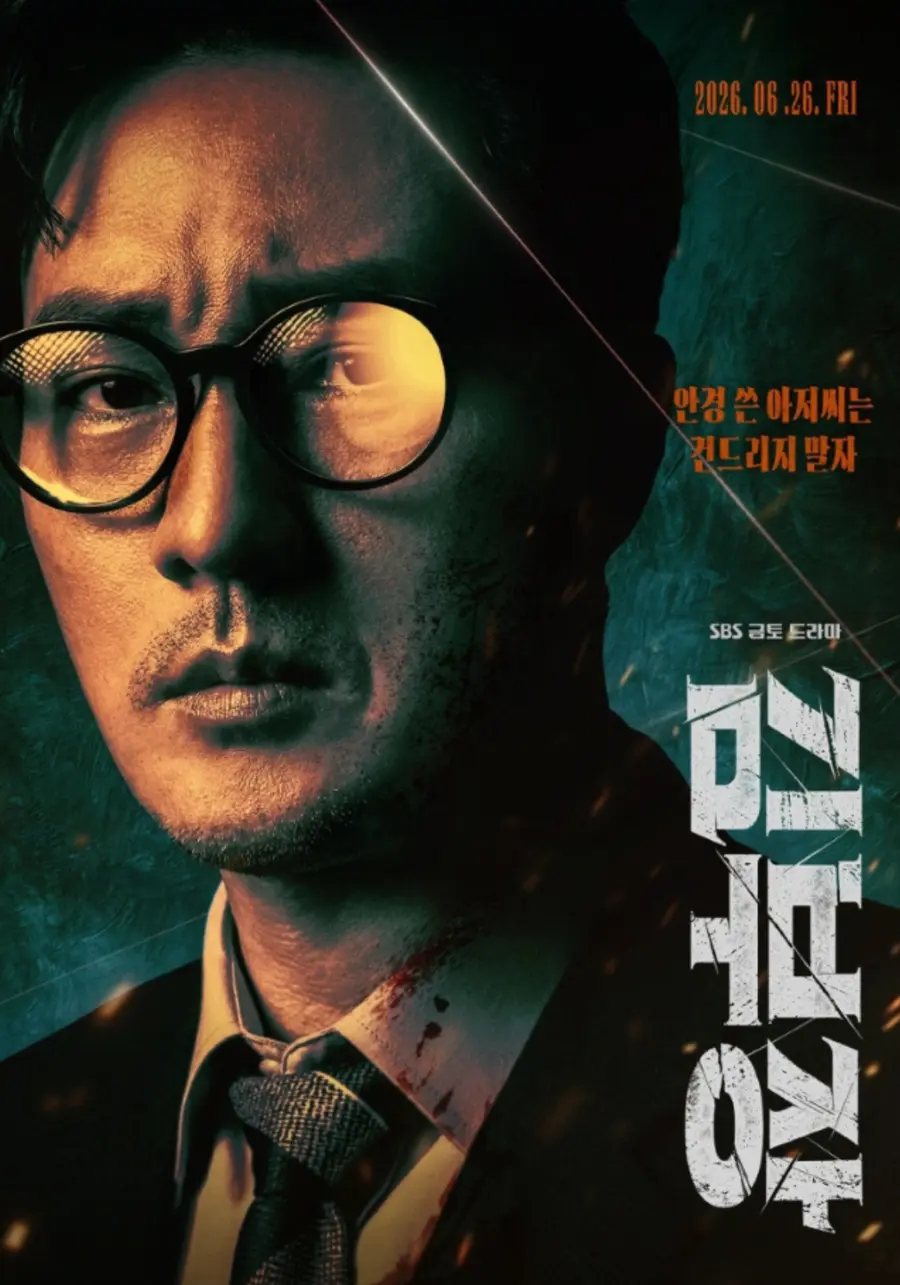
The box-office momentum for SBS Friday-Saturday drama “Kim Bu-jang” is fierce. After it topped out at a nationwide 21.6% viewership rating in just four episodes, it also claimed No. 1 globally in the Netflix non-English TV show category, taking over living rooms around the world.
“So Ji-seop didn’t run”… A 3-minute miracle completed without a camera
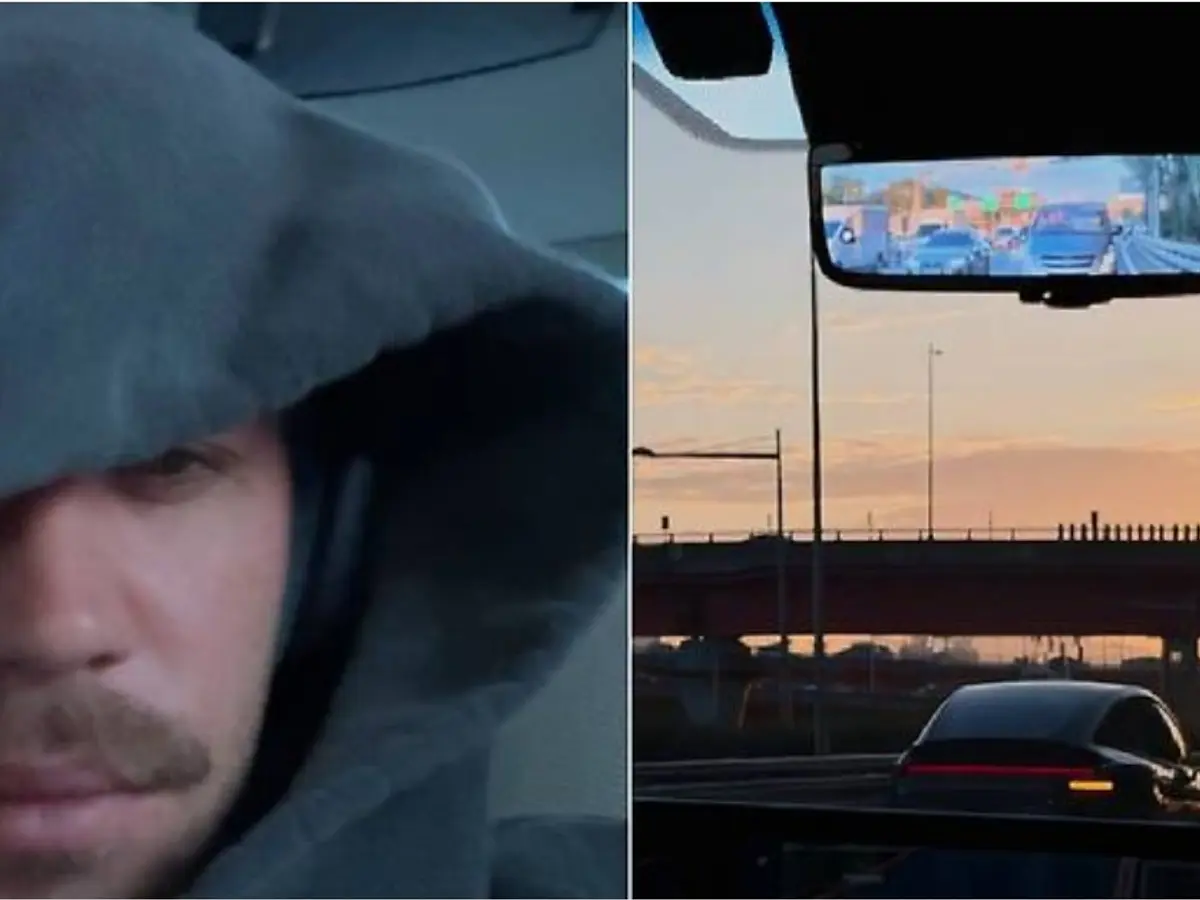
As the lead actor So Ji-seop’s intense fatherly love action wins praise, a single scene lasting just three minutes delivered a fresh shock to the broadcast industry. It featured a full AI sequence—built with 100% generative AI without any camera shooting for the first time in Korean commercial drama. The on-screen notice shown before each episode begins—“Some parts of the production process used AI-based technology”—was proven by the actual footage.
In the show, the ghost agent operation scene depicting Kim Bu-jang (played by So Ji-seop)’s days as a reconnaissance operative on the hunt for a target showcases an overwhelming scale. High-stakes action that typically comes with massive production costs and safety risks for actors in live-action filming was on display, including a large explosion that sends an entire building flying, car chases that cut through a tunnel covered in snow, and vehicle rollovers and crashes into a river.
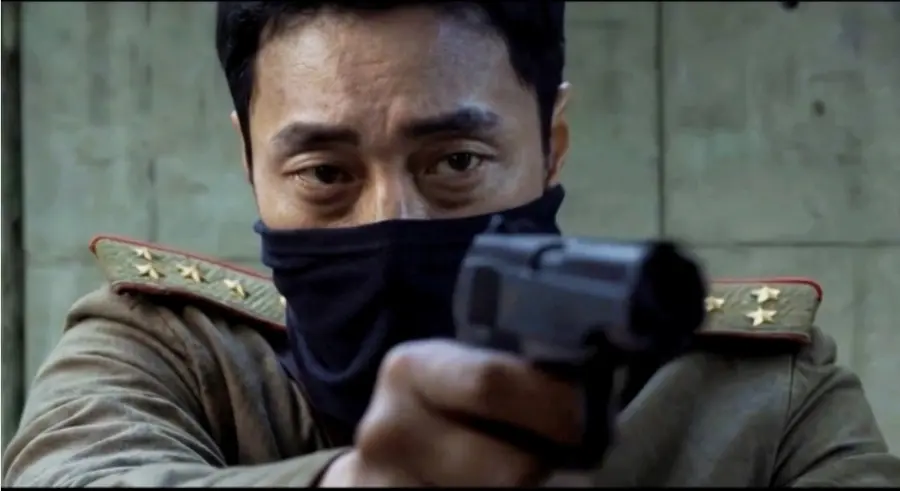
What’s astonishing is that neither So Ji-seop nor even the stunt double was on set during the scene. The result was created by a virtual stand-in, a “digital double,” made through a collaboration between AICRON, a domestically developed AI platform, and Mophiaus Studio, a VFX specialist company. It solved the long-standing problem of generative AI video—lack of character consistency—perfectly. Even So Ji-seop’s distinctive physique and subtle shifts in facial expression were reproduced with such precision that it was hard to tell them apart from the actual filmed takes.
Securing actor safety and extending acting careers… An innovation that breaks through physical limits
Introducing digital double technology signals a breakthrough change for actors. Its biggest advantage is ensuring an actor’s physical safety on perilous shooting sets. It can block, at the source, accidents involving human lives that could occur in dangerous scenes such as explosions or falls.

It also brings an effect that dramatically extends actors’ time on screen. With So Ji-seop entering his 30th year since debut, he was able to capture superhuman action on screen without hitting physical limits. With AI technology support, mid-career and older actors can reduce physical exhaustion and focus even more on creative, essential art areas—such as portraying a character’s inner world and delivering dialogue.
The lost immediacy and an ontological crisis for human actors… The challenge for K-dramas
But advances in technology come with more than advantages. As director Lee Seung-young, who helmed “Kim Bu-jang,” noted, even if AI-generated visuals are perfect in appearance, there are limits to fully capturing the raw liveliness of the on-site experience—such as the rough breathing and the smell of sweat. To add human texture, expert hands-on, meticulous touch-ups were eventually necessary, and errors in communication that can occur during the AI command execution process remain a task to solve.
Looking ahead, it raises an ontological question: Will real human actors still be needed in the future? As the technology becomes even more advanced, an era could arrive in which productions are created in a virtual space using only an actor’s likeness rights and voice data. At this point, the entire broadcasting industry must consider what unique soul and artistic value only human actors can bring to the screen.
The audacious experiment in the drama “Kim Bu-jang” proved that technology doesn’t replace humans—it shows the possibility of serving as an assistant that expands imagination. The combination of So Ji-seop’s deep acting skills and domestic AI technology created top-level action while cutting production costs by 60%. In a new era of content where human artistic instincts and cutting-edge technology coexist, digital doubles are expected to become a key engine for boosting K-dramas’ global competitiveness.